How To Start Affiliate Marketing: A Complete Beginner's Guide
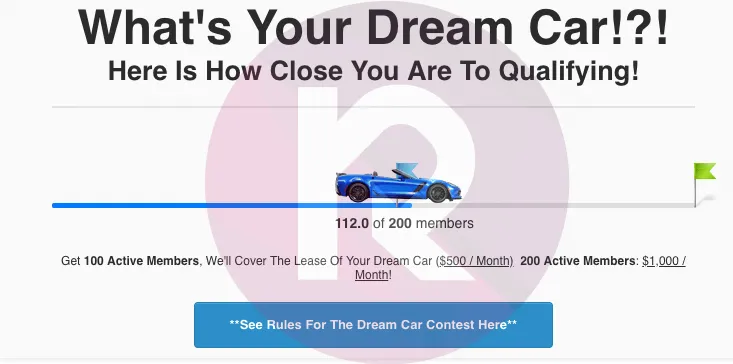
I have been doing affiliate marketing since 2015. My first commission was $0.36 - and I was genuinely excited about it. Today, I am a ClickFunnels Dream Car winner, which means ClickFunnels pays towards my car lease every month because of affiliate referrals.
Getting here was not easy. I bought courses, tried dozens of methods, made money, lost it, made it again, and lost it again before figuring out what actually works. This guide is everything I wish someone had told me when I started - no fluff, no upsells, just the process that works.
What Is Affiliate Marketing?
Affiliate marketing is a business model where you earn a commission for referring customers to a company's products. You share a unique tracking link, someone clicks it and buys, and the company pays you a percentage.
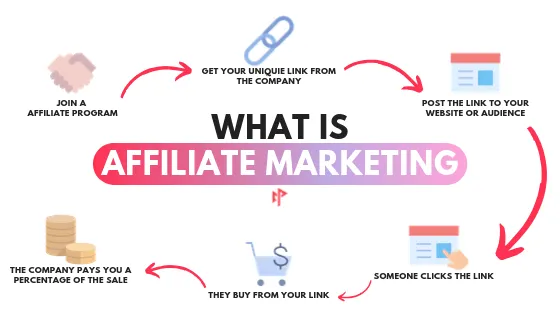
The process:
- You sign up for a company's affiliate programme and get a unique referral link
- You create content that recommends the product (blog post, video, email, social media)
- A visitor clicks your link and makes a purchase
- The company tracks the referral and pays you a commission
The reason affiliate marketing is accessible: you do not need your own product, inventory, payment processing, or customer support. You connect buyers with sellers and earn a fee for making the introduction.
Why Affiliate Marketing?
- Low cost to start - you need a domain ($12/year) and hosting ($5–$30/month) at most. No inventory, no product development
- No customer support - the company handles fulfilment, returns, and support
- Passive income potential - content you create today can earn commissions for years
- Scalable - promote multiple products across multiple channels without increasing costs proportionally
- Flexible - work from anywhere, set your own schedule
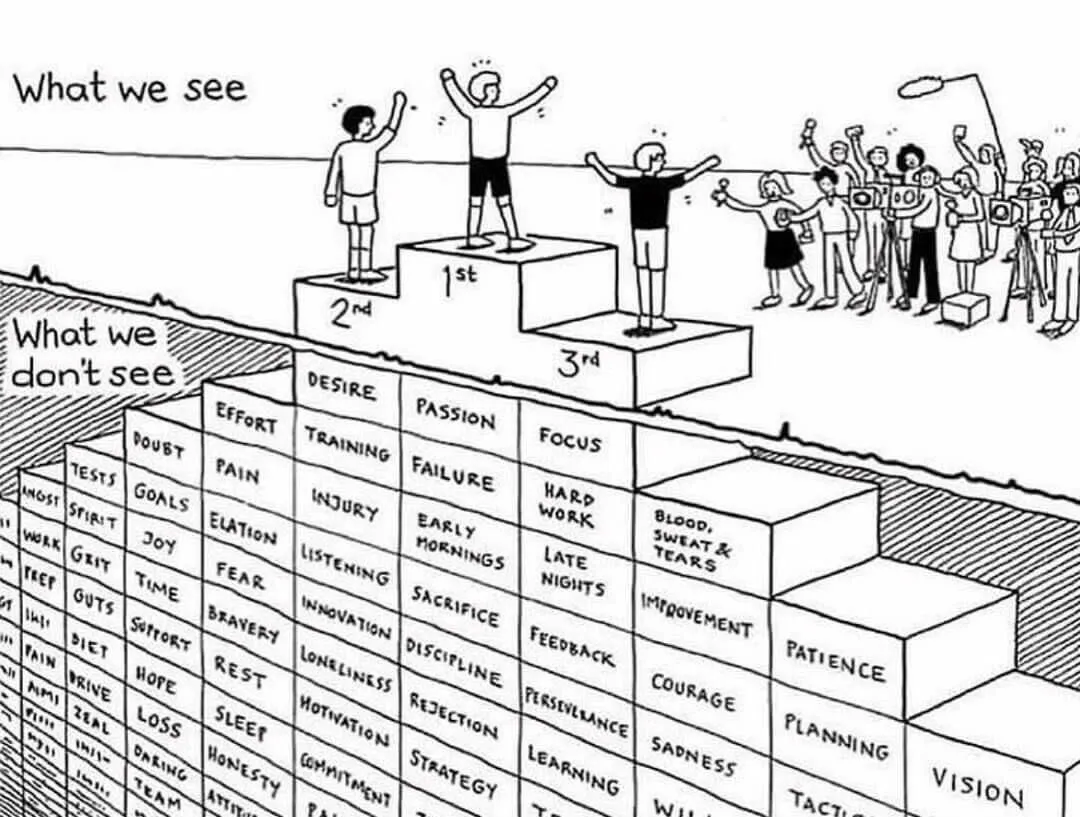
But understand this: affiliate marketing is accessible, not easy. You need to put in months of consistent work before seeing meaningful results. Your first sale will be the hardest.
Step 1: Choose Your Niche and Product
The most important decision you make is what to promote. Two rules:
Pick something you are genuinely interested in. If you do not care about the product, you will get bored, stop creating content, and quit. Passion sustains you through the months of earning nothing.
Pick something people are already buying. Passion alone is not enough - there needs to be demand. Check if other affiliates are promoting products in your niche. If they are running ads consistently, the niche is profitable.
Once you have a niche, choose one product to start with. Not five, not ten - one. Focusing on a single product lets you create deep, authoritative content instead of shallow reviews of everything.
Step 2: Find Affiliate Programmes
There are two ways to find programmes:
Affiliate Networks
Networks connect merchants with affiliates on a single platform. The main advantages are reliable tracking, guaranteed payouts, and the ability to browse thousands of products.
Popular networks:
- Amazon Associates - the easiest to join but lowest commissions (1–10%)
- ClickBank - digital products with 30–75% commissions
- ShareASale - thousands of merchants across every niche
- CJ Affiliate (Commission Junction) - large brands and established merchants
- Impact - mid-to-large merchants with competitive rates
Direct Affiliate Programmes
Many companies run their own affiliate programmes. You sign up directly on their website. Commissions are typically higher than networks because there is no middleman.
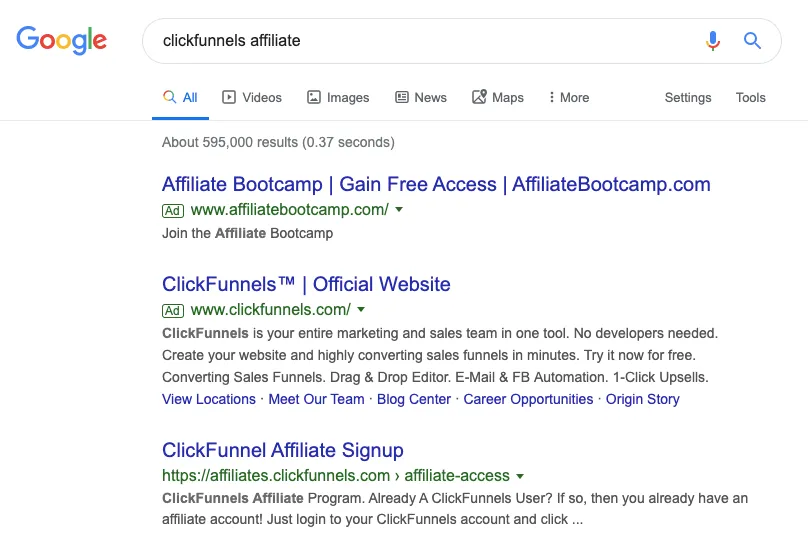
To find direct programmes, Google "[product name] affiliate programme." Most SaaS companies, course creators, and online tools have one.
Examples of high-paying direct programmes:
- ClickFunnels - 40% recurring monthly commission + Sticky Cookie
- Bluehost - $65+ per referral
- ConvertKit - 30% recurring
- Shopify - up to $150 per referral
- Teachable - 30% recurring
Important warning: not all direct programmes are reliable. Some do not pay out, have long payment delays, or change commission terms without notice. Research the programme, check reviews, and start small before investing significant time promoting a merchant you do not trust.
Step 3: Create Content
Content is how you connect potential buyers with your affiliate links. There are two primary approaches:
Product Reviews
The most common affiliate content format. You write an in-depth, honest review of the product, covering features, pros, cons, pricing, and who it is best for. People searching for "[product] review" are already considering a purchase - they just need help deciding.
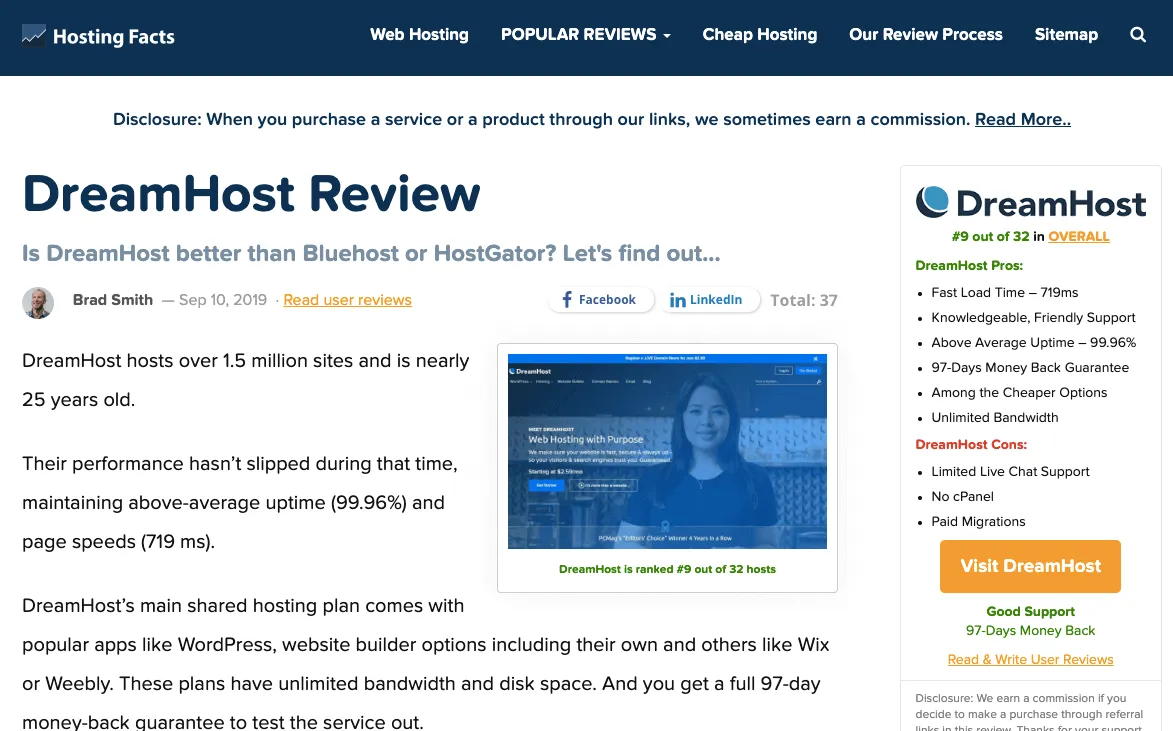
A good review includes:
- Clear pros and cons (honest - not everything is perfect)
- Screenshots or personal experience showing the product in use
- A comparison to alternatives
- A prominent call-to-action with your affiliate link
Problem-Solving Content
Instead of reviewing the product directly, create content that solves a problem the product addresses. People searching for solutions are pre-qualified buyers.
For example, if you promote a web hosting company:
- "How to start a blog" → recommend your hosting affiliate
- "How to build a website for a small business" → recommend your hosting affiliate
- "Best website builder for photographers" → recommend your hosting affiliate
Same product, different audiences, different content angles.
The key principle: always look at existing content and ask "how can I make this better?" More detailed, more up-to-date, better screenshots, more honest. There is no point publishing something that already exists in a better form.
Finding Content Ideas
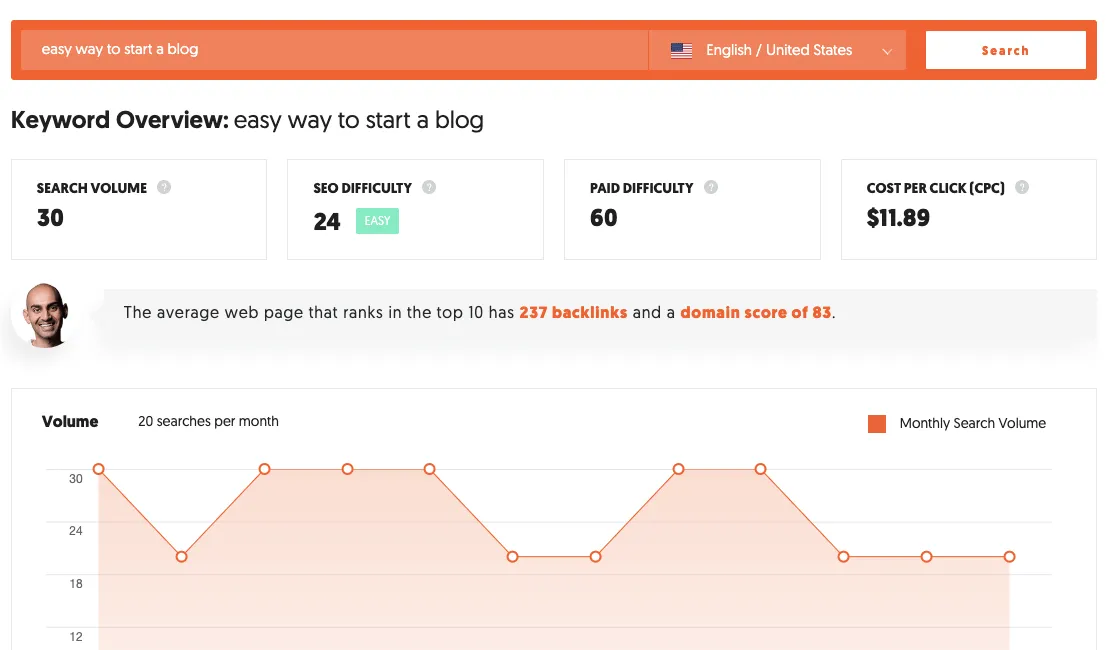
Use keyword research to find topics people are actually searching for:
- Ubersuggest (free) - enter a topic and check search volume. Aim for keywords with 300+ monthly searches
- Google's "People Also Ask" - search your product name and look at the questions Google suggests
- AnswerThePublic - generates hundreds of question-based keywords from a seed topic
- Ahrefs or SEMrush - professional keyword research tools for competitive analysis
Step 4: Drive Traffic
Content without traffic earns nothing. Focus on one or two traffic sources to start:
Search Traffic (SEO)
Write blog posts and optimise them for Google. This is the slowest method (3–6 months to gain traction) but the most sustainable. Once a post ranks, it can generate affiliate commissions passively for years.
Focus on:
- Long-tail keywords with buyer intent ("[product] review", "best [product] for [use case]", "[product A] vs [product B]")
- Thorough, detailed content (1,500+ words for review posts)
- Internal linking between related posts
- Building backlinks through guest posting, HARO, and resource pages
YouTube
Create video reviews, tutorials, and comparisons. YouTube is the second largest search engine and video content builds trust faster than text. Include your affiliate link in the video description.
Social Promotion
Share your content in relevant communities:
- Reddit (add genuine value, do not spam)
- Quora (answer questions and link to your in-depth content)
- Facebook Groups (position yourself as helpful, not salesy)
- Niche forums
Position yourself as someone who helps, not someone who sells. Read Expert Secrets for frameworks on building trust with an audience.
Step 5: Scale What Works
Once you find a content format and traffic source that generates commissions:
- Double down - create more content in the same format and niche
- Build an email list - capture visitor emails with a lead magnet (free guide, checklist, resource list) and nurture them with an email sequence. This converts one-time visitors into repeat buyers
- Add more products - once your first product is generating consistent commissions, add complementary products to your content
- Consider paid traffic - once you know your conversion rate and average commission, you can calculate whether paid ads (Facebook Ads, Google Ads) are profitable
- Build funnels - use ClickFunnels or a similar tool to create dedicated landing pages for your top affiliate offers. A focused landing page converts significantly better than a blog post sidebar link
For a complete training on building an affiliate business with funnels, check out the free ClickFunnels Affiliate Bootcamp.
Common Mistakes to Avoid
- Promoting too many products at once - focus beats breadth. One product, promoted well, outperforms ten products promoted poorly
- Choosing products only for commission rate - a $500 commission means nothing if the product does not convert. Promote products you have used and can genuinely recommend
- Expecting fast results - most affiliates earn nothing for the first 3–6 months. The ones who succeed are the ones who keep creating content through that dry period
- Ignoring SEO - organic search traffic is the foundation of a sustainable affiliate business. Social media posts disappear in hours. Blog posts rank for years
- Not disclosing affiliate relationships - the FTC requires affiliate disclosure. Always tell your audience when a link is an affiliate link. Transparency builds trust
Final Thoughts
Affiliate marketing is one of the most accessible online business models, but it rewards patience and consistency over shortcuts. Choose a niche you care about, create content that genuinely helps people make decisions, and focus on one traffic source until it works.
My path from $0.36 to Dream Car winner took years. Yours does not have to take as long - you have guides like this that did not exist when I started. But you do need to start, and you need to keep going when results are slow.
The best time to start was yesterday. The second best time is now.